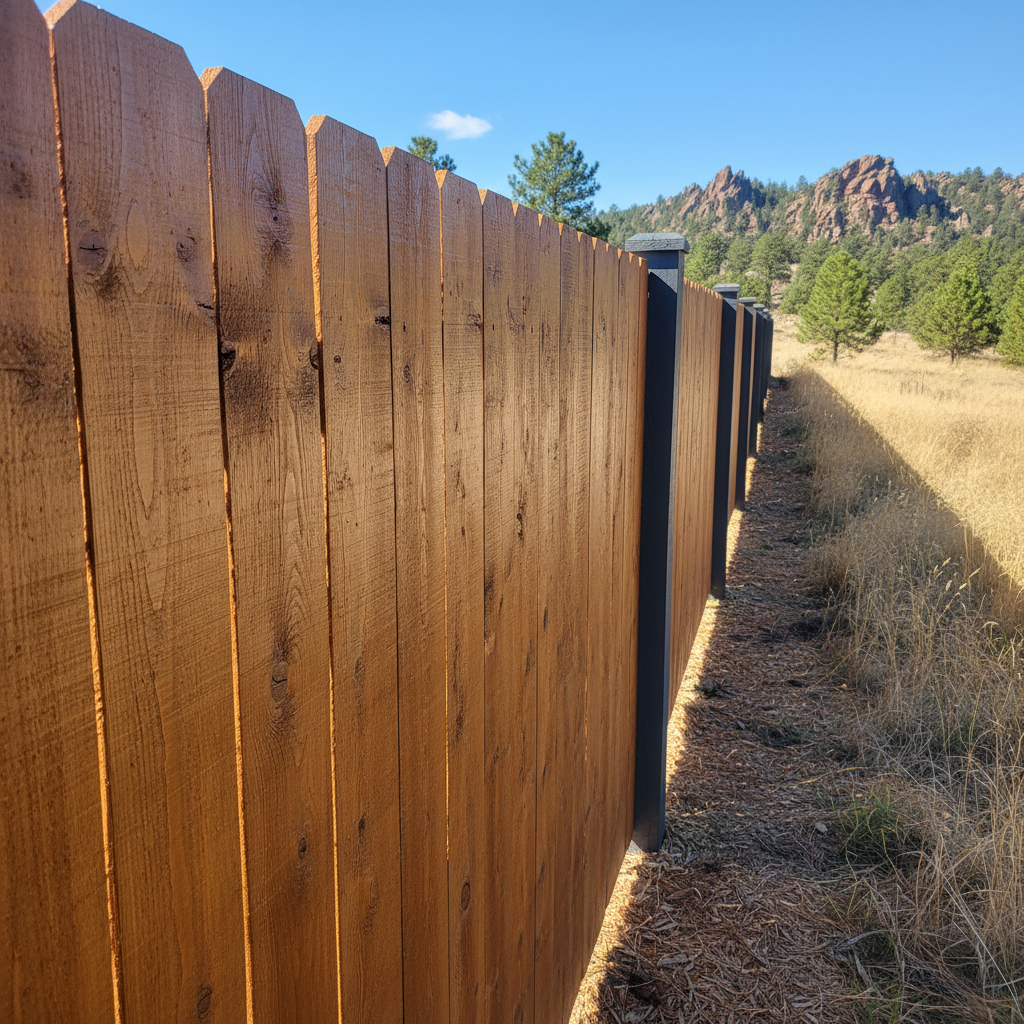
Your fence needs some love, doesn't it? Whether it's looking faded, peeling, or just plain tired, giving it a fresh coat of stain or paint can make a huge difference to your whole property. But before you grab a brush, let's talk about what's involved and whether it's a job you should tackle yourself or if it's better to call in the pros.
Before You Start: Prep is Everything
You wouldn't build a house on a shaky foundation, right? Same goes for staining or painting a fence. The prep work is probably the most important part of the whole process. Skimping here means your hard work won't last, and you'll be doing it again sooner than you want.
- Clean it Up: First thing's first, get that fence clean. For most wood fences, a good power wash is usually the way to go. You want to blast off all the dirt, grime, mildew, and loose paint or stain. If you've got a lot of mold or mildew, a bleach and water solution (about 1 part bleach to 3 parts water) can help, but make sure to rinse it thoroughly afterwards. Let it dry completely – and I mean completely – for at least 24-48 hours, maybe even longer if it's humid.
- Repair Damage: Now's the time to fix any loose boards, replace rotten sections, or hammer in protruding nails. Don't paint over problems; fix 'em.
- Scrape and Sand: If you're painting over an old, peeling paint job, you'll need to scrape off all the loose bits. Sanding is also a good idea, especially if you're staining. It helps the new finish adhere better and gives you a smoother look. You don't need to sand it down to bare wood everywhere, just get rid of the rough spots and feather out any edges.
Stain vs. Paint: What's the Difference?
This is a big decision, and it really comes down to the look you want and the maintenance you're willing to do.
- Stain: Stains penetrate the wood, enhancing its natural grain. They come in transparent, semi-transparent, and solid options. Transparent lets the most grain show through, while solid stain is more like a thin paint but still lets some texture come through. Stains generally wear off over time, rather than peeling, which makes re-application a bit easier – usually just a good cleaning and re-staining. It's great for showing off beautiful wood.
- Paint: Paint sits on top of the wood, creating a solid, opaque color. It offers more protection from the elements and can completely change the look of your fence. The downside? Paint can peel and chip, especially in our Rapid City weather with those harsh winters and hot summers. When it's time to repaint, you'll likely have more prep work involved, like scraping and priming.
For most wood fences, especially cedar or treated pine, I usually lean towards a good quality stain. It just holds up better with less fuss in the long run and lets the wood breathe.
The Application: DIY or Pro?
Okay, so you've prepped, you've decided on stain or paint. Now for the actual application. Can you do this yourself?
- DIY: If you've got a smaller fence, say around a typical West Boulevard or Countryside home, and you're comfortable with a sprayer or a brush, you absolutely can do this. A sprayer is much faster, but you'll need to mask off anything you don't want stained or painted – like your house, plants, or your neighbor's prize-winning petunias. Brushing and rolling give you more control and often a thicker, more even coat, but it's a lot more labor-intensive. Make sure you apply thin, even coats. Two thin coats are always better than one thick, drippy one.
- When to Call Alpha Fencing Co: Here's when it makes sense to call us or another reputable contractor. If your fence is really big, like around a large property out towards Black Hawk, or if it's in really rough shape and needs extensive repairs. If you don't have the time, the right equipment (like a good sprayer), or the patience for the meticulous prep work, a pro will save you a lot of headache and ensure a quality, lasting finish. We've got the tools and the experience to get it done efficiently and correctly, often with better results than a first-timer might achieve. Plus, we know how to deal with those tricky spots and make sure the finish stands up to our local climate.
After the Job: Maintenance
Once your fence is looking sharp, you'll want to keep it that way. Give it a good rinse with a garden hose once or twice a year to remove surface dirt. Keep an eye out for any mildew or algae, especially on the north-facing side where it stays shadier and wetter. Address any peeling or fading spots quickly to prevent bigger issues down the road. Regular maintenance, even just a quick inspection, will extend the life of your fence and its finish significantly.
A well-maintained fence not only looks great but also protects your investment. So, whether you DIY or call us, make sure you do it right.