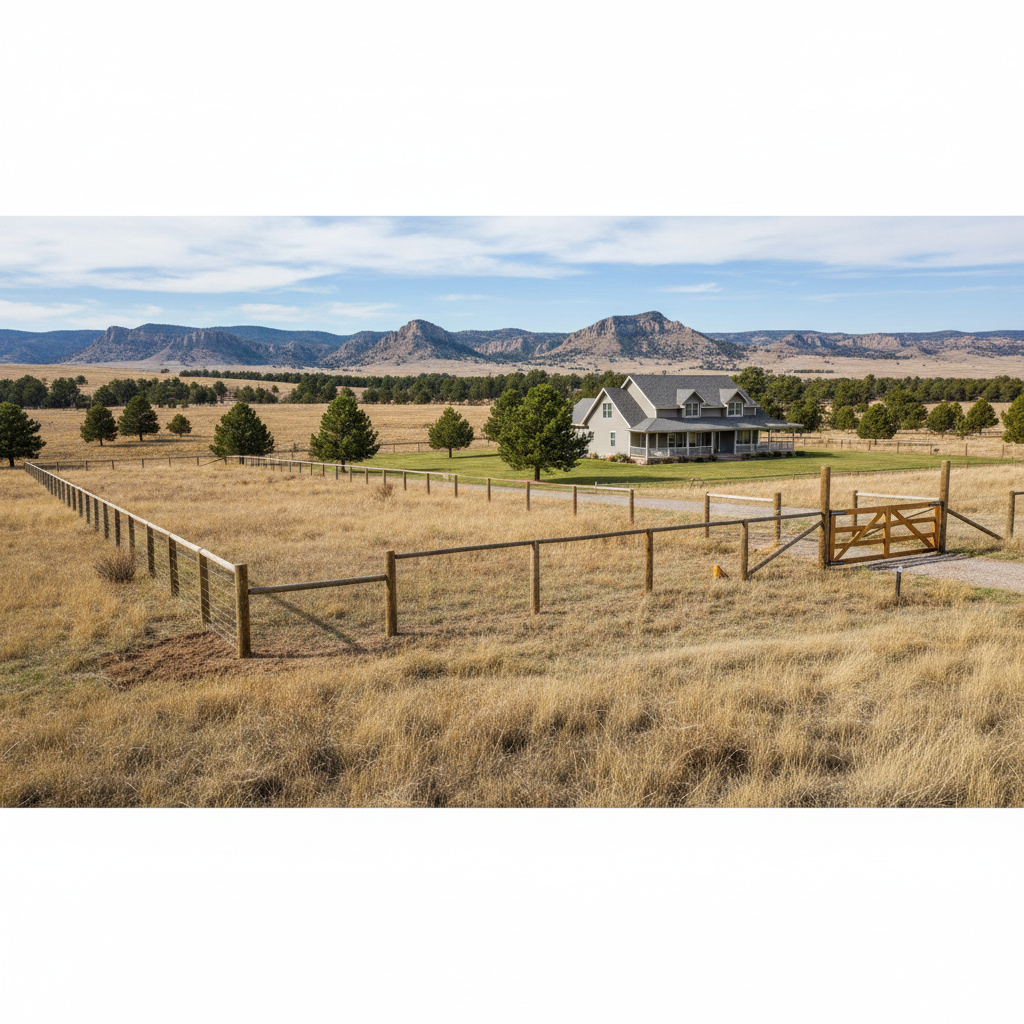
So, you have decided it is time for a new farm fence on your property in Rapid City. Maybe you are looking to keep livestock contained. You might also want to define your property boundaries better. In addition, you may just want to upgrade what is already there. Whatever the reason, getting a new farm fence is not just about the installation itself. It is a whole process. As a local contractor with Alpha Fencing Co, we have seen many farm fence projects. We can tell you that good preparation makes all the difference for your farm fencing in Rapid City.
Understanding Your Project Timeline
How long does a farm fence project really take in Rapid City? It is not usually an overnight job. This is especially true for larger properties. Generally, you are looking at a few key phases. Each phase has its own timeframe for your farm fencing project.
- Initial Consultation & Design: This is where we talk about your needs for farm fencing. Our team will walk your property with you. We will figure out the best type of fence for your animals as well as your terrain. This part can take anywhere from a few days to a couple of weeks. This depends on how quickly decisions are made. It also depends on if any custom designs are needed for your farm fence.
- Permits & Approvals: Most farm fence installations in Rapid City will require permits. This is especially true for farm fencing projects. Your contractor should be able to guide you through this process. You should expect it to take some time. Standard approval can be 3-10 business days. Sometimes it is longer if there are easements or other complexities.
- Material Procurement: Lead times for farm fencing materials vary. Standard wood, chain-link, or woven wire might be available fairly quickly. However, specialized materials or custom gates could take weeks to fabricate as well as arrive.
- Installation: This is the actual digging and building of your farm fence. For a typical residential fence, this might be 2-5 days. However, farm fences are often much longer as well as more complex. Larger properties, difficult terrain like the rocky soil you find in some Black Hills areas, or extensive gate systems will extend this time. The concrete for posts needs time to cure. This usually takes 2-3 days before the fencing material is attached.
Overall, a farm fence project can easily span several weeks. It can even take a couple of months. This is from the first call to the final walk-through. This depends on the scope as well as any unexpected weather delays. Spring through fall is generally the ideal season for farm fence installation here in Rapid City. Frozen ground in winter makes digging tough as well as expensive.
What to Expect During the Process
Once you have picked your contractor for farm fencing in Rapid City, the project will get underway. Here is a rundown of what will happen:
- Site Assessment: A good contractor will walk your property. Our team identifies challenges like uneven ground or drainage issues. We also locate utility lines. Alpha Fencing Co also confirms property boundaries. This is important to avoid disputes later on.
- Utility Locating: Your contractor should call 811 before any digging. This is to have all underground utilities marked. This is not negotiable. It prevents dangerous as well as costly accidents.
- Post Setting: Post holes are dug. Posts are set in concrete below the frost line. This is typically 36 to 42 inches deep in the Rapid City area. This prevents posts from heaving and leaning during our freeze-thaw cycles.
- Fencing Material Installation: The chosen fencing material is attached once posts are set and concrete cured. This material can be woven wire, barbed wire, or high-tensile wire.
- Gates & Finishing Touches: Gates are installed. Any final adjustments or cleanup are completed for your farm fence.
Keep in mind that weather plays a big role in farm fencing projects. Heavy rain can make soil unstable. This can delay post setting. Extreme heat can affect materials as well as worker safety. Strong winds can make handling large fence panels dangerous. Your contractor should communicate any weather-related delays to you.
How to Prepare Your Property
You can help make the farm fencing process smoother as well as faster. You can do some prep work to help us.
- Clear the Fence Line: Remove any brush, trees, rocks, or debris along where the farm fence will go. This saves your contractor time. It also saves you money.
- Mark Property Lines: Make sure you know your exact property boundaries if you have a survey. Consider getting one if you do not have one. This prevents your new farm fence from encroaching on a neighbor's land or an easement.
- Move Obstacles: Clear out any outdoor furniture, equipment, or anything else that might be in the way of the crew and their machinery.
- Contain Pets & Livestock: Ensure all animals are secured and out of the work area on installation days. This is for their safety as well as the crew's safety.
Questions to Ask Before Signing a Contract
You need to be sure you are working with the right folks before you commit. Here are some important questions we would ask:
- Experience with Farm Fencing: Does the contractor have specific experience with the type of farm fence you need? This could be barbed wire, high-tensile, or woven wire for specific livestock. A contractor specializing in residential privacy fences might not be the best fit for a large-scale agricultural project.
- Licensing & Insurance: Are they licensed as well as insured? This protects you from liability if there is an accident or damage. Always ask for proof of this.
- Detailed Estimate: Will they provide a written, itemized estimate? This estimate should break down material costs, labor, permits, and any extra fees. Be careful of vague quotes.
- Timeline & Communication: What is the estimated start and completion date for your farm fence? How will they communicate delays to you?
- Warranty: What kind of warranty do they offer on both materials and workmanship? A good warranty shows they stand behind their work.
- Post Depth & Concrete: How deep will posts be set? Will they be in concrete? Posts need to be below the frost line in our Rapid City climate to prevent heaving.
- References & Portfolio: Can they provide references from past farm fencing clients? They should also show you examples of similar work they have done.
- Permit Handling: Will they handle the permit process for you? This can save you a lot of hassle.
Choosing a reliable contractor like Alpha Fencing Co means you are getting someone who understands the unique demands of farm fencing in the Rapid City area. We know the soil. Our team knows the wind. We also know what it takes to build a farm fence that lasts for you.