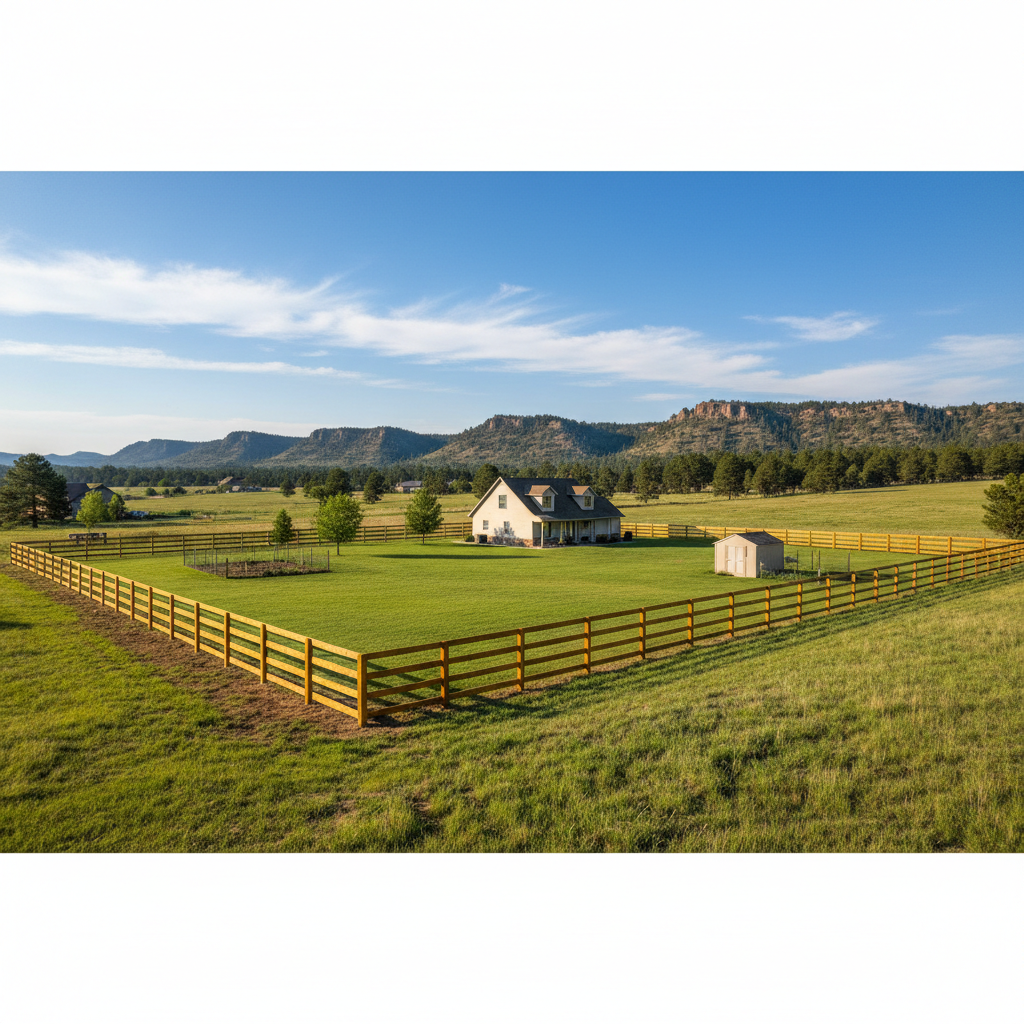
Alright, so you're thinking about putting up a new farm fence here in Rapid City. Maybe you're finally getting those horses you've always wanted, expanding your cattle operation, or just need to keep those pesky deer out of your hayfield. Whatever the reason, a farm fence isn't like throwing up a little picket fence in your front yard. It's a much bigger deal, and you really need a plan. I've seen plenty of these projects over the years, and I can tell you firsthand: planning ahead saves a ton of headaches and, more importantly, money.
Setting Your Project Timeline
First things first, let's talk about time. You can't just snap your fingers and expect a farm fence to magically appear. From the moment you decide you need a fence until the day it's actually finished, you're looking at a few weeks, sometimes even months. It really depends on how big and complicated the job is. Here’s a rough idea of how things usually break down:
- Initial Research & Planning (1-2 weeks): This is where you are right now. You're figuring out what kind of fence you need, how much land it'll cover, and what your budget looks like.
- Getting Quotes (2-4 weeks): You'll want to chat with a few different contractors. Don't just pick the first one you talk to. Get detailed bids, ask lots of questions. Good contractors are usually pretty busy, especially during peak season (spring and summer), so getting on their schedule takes some time.
- Permits & Approvals (2-6 weeks, if needed): This can be a big one for farm fences, especially if you're close to property lines or have specific land use restrictions. You'll need to check with Pennington County and maybe even city zoning if your property is on the edge of town. Seriously, don't skip this step; fines are no fun at all.
- Material Ordering & Delivery (2-6 weeks): Depending on the type of fence you're going with – high-tensile, woven wire, barbed wire, or even some custom panels – the materials might not be sitting in a local warehouse. Special orders take time to come in, especially when you need large quantities.
- Installation (1-4 weeks): This is when the actual work happens. How long it takes depends on the fence type, the terrain (that Black Hills ground can be a real pain with all the rocks, you know?), and the overall size of your project. Weather also plays a huge role; we don't install in blizzards, obviously.
So, if you're hoping to have a fence up by, say, next spring, you really should start your research in the fall. I'm not kidding.
What to Expect During the Process
Once you've picked a contractor and signed the agreement, here's a general idea of what you can expect:
- Pre-Construction Meeting: A good contractor, like us at Alpha Fencing Co, will walk the property with you one last time. We'll confirm the exact fence lines, where gates should go, and talk about any specific concerns you might have. This meeting is super important for avoiding misunderstandings down the road.
- Utility Locates: Before any digging starts, your contractor absolutely must call 811 to get underground utilities marked. Hitting a gas line or fiber optic cable is a nightmare for everyone involved.
- Material Delivery: Posts, wire, gates, and other hardware will start showing up. Your property might look a bit like a staging area for a while, so make sure there's clear access for those delivery trucks.
- Ground Prep & Post Setting: This is the backbone of your fence. Holes get dug, posts get set. Here in Rapid City, we often hit a lot of rock, especially in areas closer to the hills. That means it takes more time, sometimes requires specialized equipment, and it's something a good contractor will factor into their bid and timeline.
- Wire Installation & Gates: Once the posts are solid, the wire goes up, stretched nice and tight. Gates are installed and adjusted to swing just right.
- Cleanup & Final Walkthrough: The crew will clean up any debris, and then you'll do a final walk-through with the project manager. This is your chance to point out anything that isn't quite right or ask any last questions.
How to Prepare Your Property
You can do a lot to make the installation go smoother and potentially save a bit on labor costs, too:
- Clear the Fence Line: Get rid of any brush, small trees, or debris along where the fence will run. The clearer it is, the faster the crew can work.
- Mark Property Lines: If you're not absolutely sure where your property lines are, think about getting a survey done. It's an upfront cost, yes, but it prevents arguments with neighbors later on.
- Inform Neighbors: If the fence is going on a shared property line, talk to your neighbors beforehand. It's just good practice, and it can prevent issues.
- Secure Animals: Make sure any livestock or pets are safely secured and out of the work area. You definitely don't want them getting out or getting in the way of heavy equipment.
- Access: Make sure there's clear access for trucks and equipment to the fence line. Move vehicles, trailers, or anything else that might block their path.
Key Questions Before Signing a Contract
Don't just sign the first thing someone puts in front of you. Ask these questions:
- What's included in the quote? Is it just labor? Materials? Permitting fees? Cleanup? Get a really detailed breakdown.
- What's your estimated timeline for when you'll start and finish? Get this in writing, please.
- How do you handle unexpected issues, like hitting rock or difficult terrain? Will it be an extra charge? How do you figure that out?
- What kind of warranty do you offer on your work and the materials?
- Are you licensed and insured? Ask for proof. This protects you if something goes wrong, right?
- Do you provide a written contract? It should outline everything you've talked about, including payment terms, the scope of work, and the timeline.
- What are your payment terms? How much deposit is required? When are progress payments due? When is the final payment due?
- Can you provide references from other farm fencing projects? Talk to them!
- Who will be my main point of contact during the project?
By taking the time to plan and ask the right questions, you'll set yourself up for a successful farm fencing project that lasts for years. It's a big investment, so it's smart to do it right from the start.